
Clear communication saves lives
Trust is one of the most valuable resources a government can have - and one of the easiest to lose. The UK Covid-19 Inquiry’s report, published in November, lays bare just how much that trust matters when the stakes are as high as they were in 2020.
For all the scientific advice, modelling and emergency planning available, the UK-wide response still relied on one critical factor: people understanding the risks they faced and changing their behaviour accordingly. And communication plays a huge part in this.
The Inquiry is unequivocal on this point. It states that controlling the virus was “dependent on the public understanding the risk they faced and acting accordingly”. In Wales, as in the rest of the UK, communication shaped how individuals behaved, how communities responded and how much trust people retained in the institutions trying to guide them through an unprecedented crisis.
The early “Stay at Home” message has been widely praised for its clarity. The Inquiry agrees, noting it was “effective at maximising compliance in the first lockdown”. At a moment of national fear and uncertainty, its straightforwardness cut through.
But simplicity can come at a cost. The same section of the Inquiry warns that the message “had risks, such as discouraging those needing to seek help or medical treatment from leaving home”. For future emergencies, the lesson is clear: communication must remain simple, but not at the expense of reassuring people that essential help remains available.
As the first lockdown eased, the communications environment became more complicated. Regulations varied between the four nations, and rules were updated quickly as new data emerged. That divergence reflected the responsibilities of devolved governments responding to their own context, but it also meant people had to interpret evolving local and national guidance simultaneously.
The Inquiry highlights that this mix of localised restrictions and differing approaches across the UK made it harder for people to understand exactly what applied to them. In Wales, decisions were often taken earlier or more cautiously than in Westminster, and the Inquiry notes that Wales’s more gradual easing of restrictions over summer 2020 increased the chance that later lockdowns might be avoided or less severe.
Trust, however, is not only about what governments say – it is also about how leaders act. The Inquiry is direct on this point. Allegations of rule-breaking by ministers and advisers, it says, “caused huge distress and undermined public confidence in their governments”. The damage was felt across the UK and had an immediate impact on how people responded to public health messages.
In Wales, public confidence in government has often been higher than in Westminster – a strength that supported compliance during the most difficult phases of the pandemic. But trust is fragile. It must be protected through communication that is timely, transparent and grounded in the realities people are living through – as well as in leaders walking the talk.
No pandemic follows the last one’s script. But learnings from Covid-19 are clear: trust is essential and communication saves lives. And we must continue investing in the tools, systems and people who can ensure the public receives clear, timely and trusted information when it matters most.
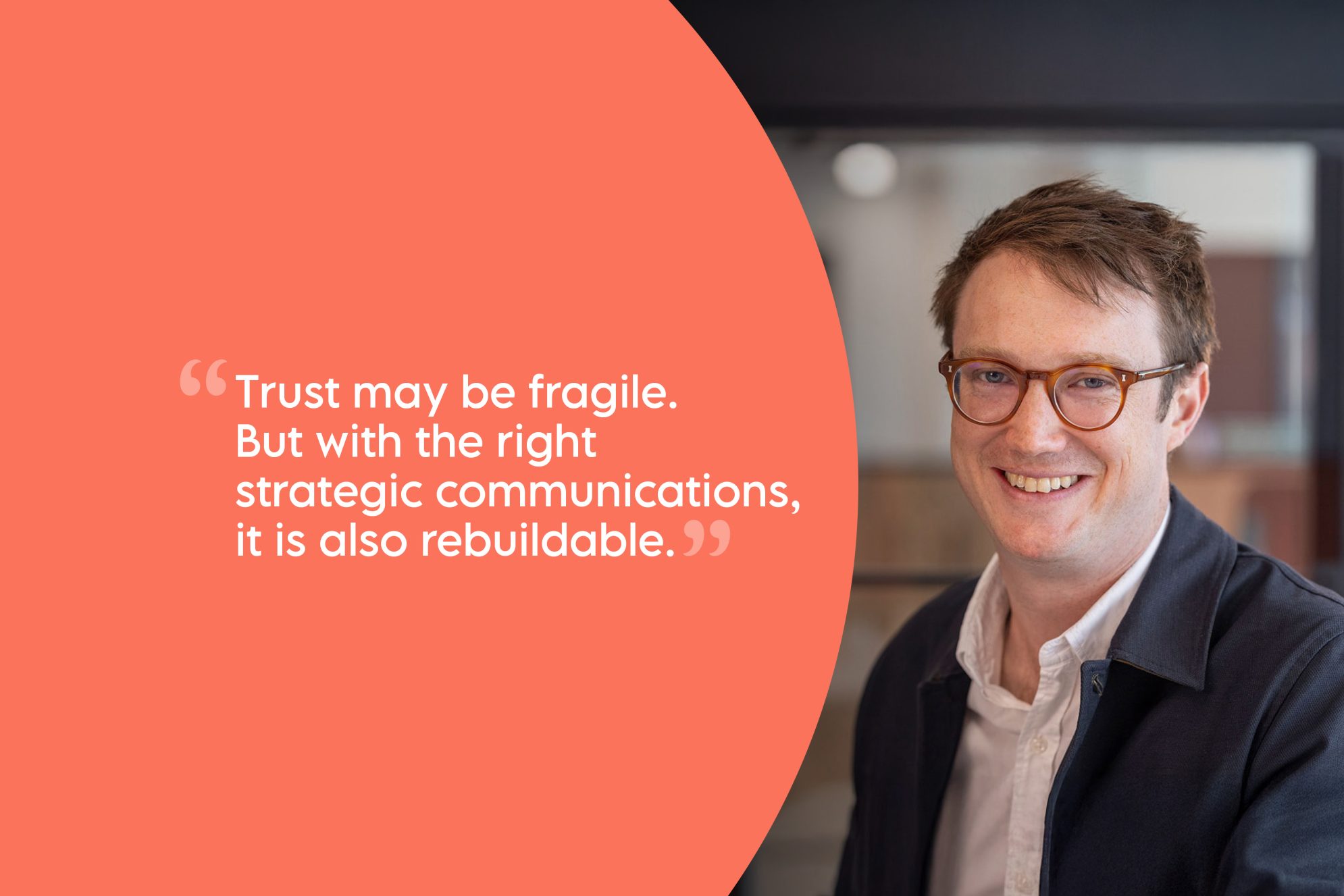
Trust may be fragile. But with the right strategic communications, it is also rebuildable. And in any future crisis, it may once again be our strongest defence.