
What are brand guidelines?
Your brand is more than your logo. It’s shaped by everything your organisation says, shows and does, from the language on your website to the design of your social media posts, presentations and event materials.
Without clear guidance, different teams may start using different logos, colours, typefaces or messages. Over time, this can make your communications feel disjointed and weaken recognition of your brand.
Brand guidelines bring these elements together. They explain what your brand represents, how it should look and sound, and how to apply it across different channels.
Below, we explain what brand guidelines are and why they matter. We also look at what they should include, how to create a brand identity and how to make the guidance useful in everyday work.
What are brand guidelines?
Brand guidelines explain how your organisation should look, sound and present itself. They usually cover its purpose, values, personality, positioning, visual identity and tone-of-voice, alongside practical instructions for use.
A brand guidelines document may also be called a brand guide, brand book or brand manual. Good brand guidelines are clear, easy to find and based on the situations people encounter in their everyday work.
By giving everyone communicating on behalf of your organisation the same guidance, you can create communications that feel connected even when they’re produced by different people.
Why are brand guidelines important?
Consistency helps people recognise and understand your brand. If you use the same visual identity, messages and tone across your website, advertising, social media and printed materials, your audiences can build a clearer picture of who you are and what you offer.
That doesn’t mean every piece of communications should look identical. Brand identity guidelines provide a common thread, while showing people how to adapt your brand to suit different formats and audiences.
Clear guidelines can also:
- Protect your organisation’s identity and reputation
- Help you stand out from competitors
- Make briefing employees and agencies easier
- Reduce the time spent correcting inconsistent work
- Give non-designers confidence when creating materials
- Help new employees understand your organisation
- Support growth into new services, channels or markets
As more people create content for your organisation, clear guidance becomes even more important.
What is brand identity?
Brand identity is the collection of visual and written elements your organisation uses to represent itself. These can include your name, logo, colours, typography, imagery, messages and tone-of-voice.
There is a difference between a brand and its identity. You create your brand identity, while your brand is the wider impression people form through their experiences of your organisation.
Your brand is therefore shaped by much more than your marketing. Your products, services, customer support, events and the behaviour of your employees can all affect how people see you.
Before developing how your brand looks and sounds, you need to understand why your organisation exists, who it serves and what makes it different.
What is brand positioning?
Brand positioning defines how you want your audiences to think about your organisation and what distinguishes it from its competitors.
It should identify who your brand is for and what you offer them. It should also explain why someone should choose or support you, backed by reasons they can trust.
When working out your brand positioning, consider:
- Who you most need to reach
- What those audiences need
- The main benefit you provide
- What makes you different from competitors
- The evidence that supports your claims
Your positioning statement is mainly there to guide your team. It should help everyone understand what you want to be known for and keep your communications focused on it.
What is brand personality?
Brand personality is the set of human characteristics associated with your brand. It influences your language and behaviour, including how you respond to people and present the organisation.
Your brand might be reassuring, expert and straightforward or energetic, curious and playful. These characteristics should feel true to your organisation and be relevant to your audiences.
For example, if one of your characteristics is straightforward, that might mean you:
- Use plain English
- Explain technical terms
- Keep sentences concise
- Avoid unnecessary jargon
- Give your audiences clear next steps
How to create a brand identity
Before choosing the visual elements of your identity, establish what your brand needs to communicate and who it needs to reach. This will give you a sound basis for decisions about the logo, colours, typefaces and imagery.
Start by asking:
- Why does your organisation exist?
- What do you offer?
- Who are your target audiences?
- What matters to those audiences?
- What makes you different?
- What should people think or feel when they encounter your brand?
- What pledge can you consistently deliver?
Research will help you answer these questions. Speak to employees, clients, customers and other stakeholders, review audience feedback and look at how comparable organisations present themselves.
It’s also useful to audit your existing communications. Gather examples from your website, social media, presentations, advertising and printed materials. This will help you identify inconsistencies, gaps and any elements worth retaining.
Use what you learn to define your purpose, values, positioning and personality. You can then start developing how the brand looks and sounds, including:
- Your name and, where appropriate, a strapline
- Your logo and supporting visual assets
- Primary and secondary colours
- Typography for digital and printed materials
- Photography, illustration and icon styles
- Core messages
- Tone-of-voice and writing principles
Each decision should support your intended brand position rather than simply reflecting someone’s personal taste.
Test the identity in realistic settings before you finalise it. A logo that works on a large presentation slide might be difficult to read as a social media profile image. A colour combination may look good in print but fail to provide enough contrast on a website.
What should brand guidelines include?
The length and detail of your brand guide will depend on the size of your organisation and how you intend to use it. However, most effective guidelines include the following sections.
An overview of your brand
Begin with a concise explanation of who you are and what your brand represents. This might cover your purpose, audiences, values, positioning, personality and key messages.
Keep it focused. You need to give people enough context to understand the decisions that follow, without turning your brand book into a lengthy history of the organisation.
Logo guidance
Include every approved version of your logo and explain when to use each one. Set out any rules covering minimum size, positioning, space around the logo and the backgrounds on which it can appear.
Show people what not to do as well. Examples might include stretching the logo, changing its colours, moving its individual elements or placing it on a background that makes it difficult to see.
Visual examples will usually explain these rules more clearly than written instructions alone.
Colour palette
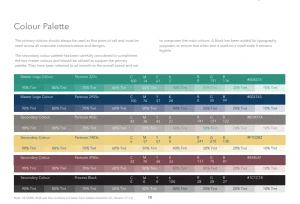
Most organisations have a primary and secondary colour palette. The primary colour palette contains the colours most associated with the brand, while the secondary colour palette gives designers more flexibility to create supporting material. As part of the brand guidelines, list your primary and secondary colours and provide the correct specifications for digital and printed materials. These may include HEX, RGB, CMYK and Pantone values.
Explain how the colours should work together and whether certain colours have specific purposes. You should also consider accessibility, including whether there is enough contrast between text and its background.
Typography
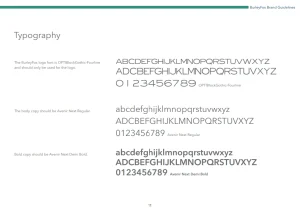
Identify the typefaces used for headings, body copy and other types of content. Explain which weights and sizes people should use and how headings and other content should be arranged.
Provide alternative fonts for situations where your usual typeface is unavailable, such as internal documents or email communications.
Imagery and graphics
Set out the preferred approach to photography, illustration, icons and other graphic elements.
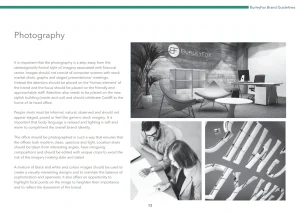
Think about the people, places or products you want to show, along with the composition, lighting, colour and overall feel of your images.
Include examples of images that are right and wrong for your brand. Simply saying photography should look “authentic” leaves room for interpretation. Showing what authentic photography looks like for your organisation is much more useful.
Tone-of-voice
Your tone-of-voice guidance explains how your brand should sound. It can include writing principles, vocabulary preferences and examples of words or phrases to use and avoid.
Your underlying voice should remain recognisable, but your tone may change according to the situation. You might sound celebratory when announcing an achievement, whereas a complaint should be handled calmly. Safety information needs to be direct. When communicating a sensitive story, the priority may be empathy and reassurance.
Before-and-after examples can show people how broad advice such as “be approachable” should affect an actual sentence.
Inclusive language and imagery
This sometimes sits as part of a style guide, but can also form part of the brand guidelines. This gives guidance on how to make sure that any language and images used follow best practice in terms of equality, diversity and inclusion.
Templates and materials
Ready-made templates help people put your brand guidelines into practice. Consider providing approved designs for:
- Presentations
- Reports and proposals
- Letterheads
- Email signatures
- Social media graphics
- Newsletters
- Event materials
Templates can reduce routine design work and help employees create consistent materials without needing specialist support every time.
Brand guidelines vs style guide
Brand guidelines and style guides overlap, so the terms are sometimes used interchangeably. However, a brand style guide will often have a narrower focus.
Brand guidelines usually cover your complete identity, including positioning, personality, visual design and language.
A style guide may focus specifically on writing and editorial decisions, such as:
- UK or US English
- Capitalisation
- Dates, times and numbers
- Punctuation
- Preferred terminology
- Abbreviations
- Inclusive language
You can include these rules within your wider brand book or maintain a separate editorial style guide, particularly if your organisation publishes a lot of content.
Digital brand guidelines
Brand guidelines were traditionally produced as printed books or PDF documents. These formats can still work, but they may become difficult to manage when a brand changes regularly or has many users.
Digital brand guidelines are hosted online, giving everyone access to one central and current version. Users can search for the guidance they need, read the relevant rules and download approved assets or templates without relying on files circulated by email.
Brand guidelines examples
Brand guidelines vary according to the organisation. Some need a concise document covering their core visual identity. Larger brands may require detailed guidance for different teams or services, with further advice for particular platforms or sectors.
Below are examples of brand guidelines developed by Freshwater.
Example one: Burley Fox
Brief:
Burley Fox wanted a brand re-design, including a clear brand guideline document that could be used by all staff to communicate consistently and effectively with their clients.
Our approach:
We created a set of brand guidelines on colours, imagery style, logo positioning and tone-of-voice for multiple forms of Burley Fox communication. This was built from focus groups with directors to understand the values, personality, brand and culture of Burley Fox.
Result:
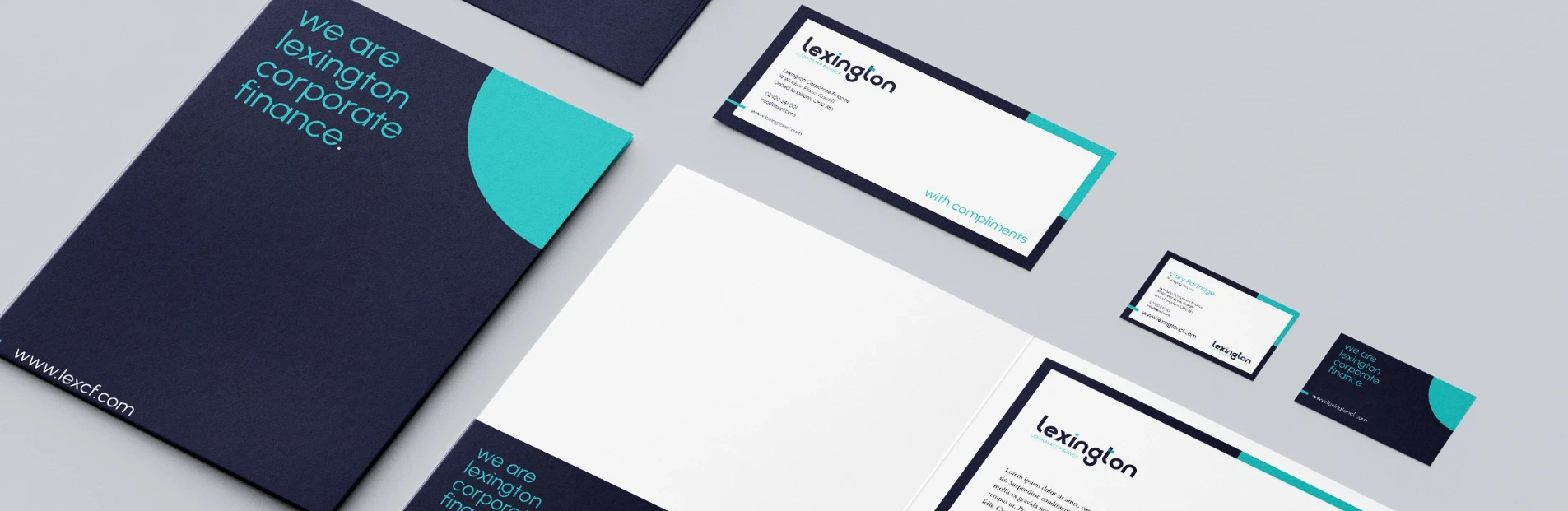
Creating these brand guidelines offered clear creative direction when designing new collateral and provided a strong guide when writing new communications. Freshwater was also able to use these brand guidelines when it was later commissioned by Burley Fox to design and print a full suite of corporate stationery including business cards, letterheads compliment slips, emailers and a newsletter.
Example two: NASUWT (The Teachers’ Union)
Brief:
Freshwater was approached by its long-standing client, NASUWT, to create a brand refresh and supporting guide documents as part of the trade union’s annual report.
Our approach:
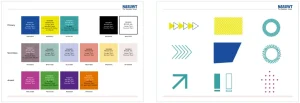
Once the extent of the brand refresh for this project was established, our designers produced a series of creative concepts that built on the union’s existing logo and colour palette. These were refined and worked up into a full mood board, encompassing primary, secondary and supporting colour palettes, typography, title and pull-out quote devices, imagery concepts and new graphic elements.
Result:
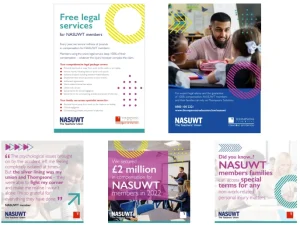
Following the implementation of the brand refresh for the union’s annual report, we developed this further with three potential concepts, which adapted the new creative for its annual conference. The chosen concept was rolled out across NASUWT’s conference and exhibition spaces and has since been taken forward by the union on its digital channels and wider marketing and communication material.
Here to help
Freshwater helps organisations create and refresh brands, from research and strategy to visual identity, messaging and practical brand guidelines. If you need help developing your brand, get in touch via hello@freshwater.co.uk or call 029 20 30 40 50.